


Why Can't I Stop Thinking About Salt?
An Instagram Reel, a 500-page book, and an unexpected lesson about storytelling.

Maddy Loucas
Thursday, August 27, 2026
What started as a DM from a friend turned into a video that now lives rent-free in my head.
It was a Reel by Wyatt Derman, candidly explaining how salt is one of the most interesting objects and its massive impact on human history – from language to currencies and empires.
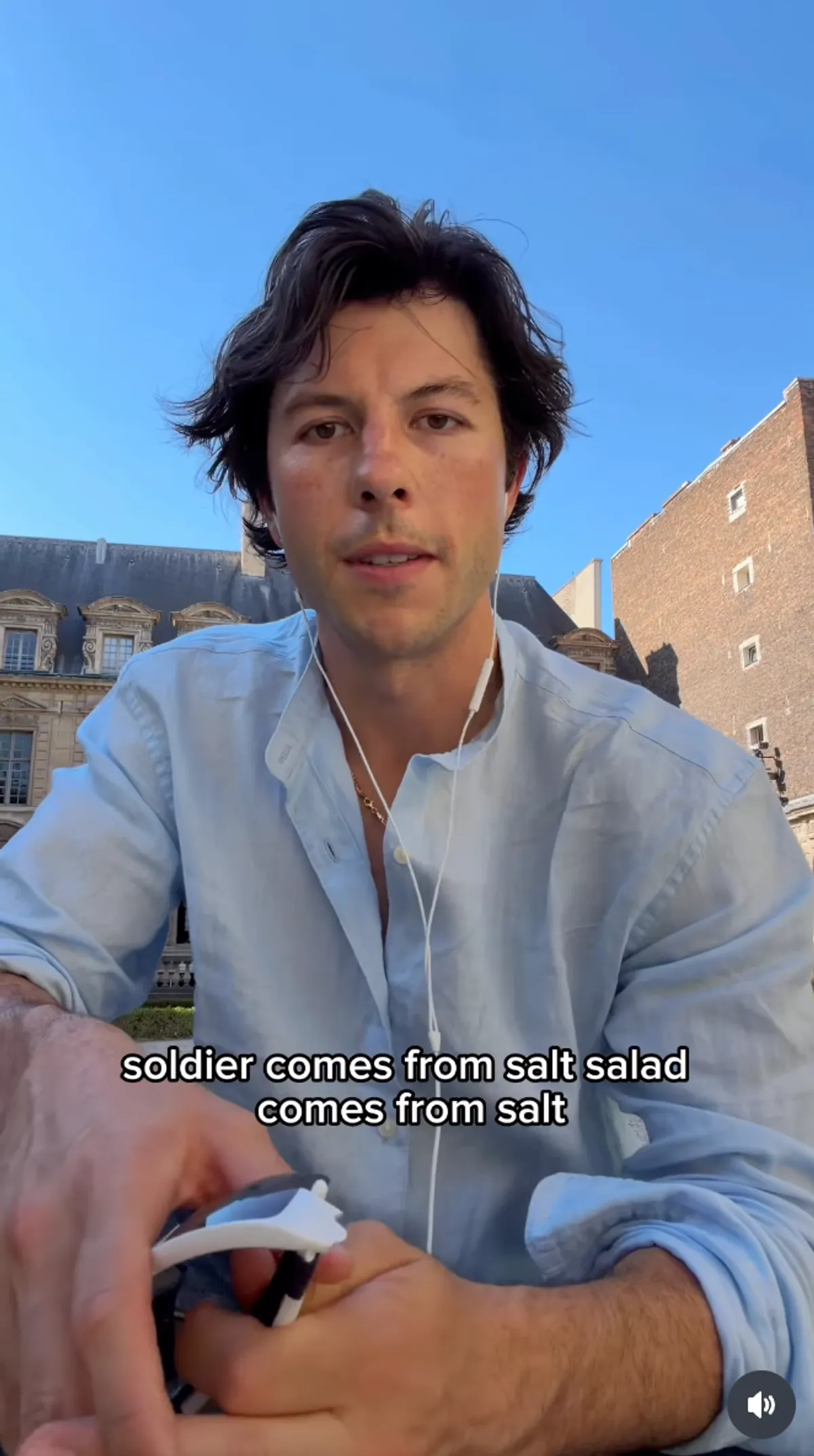
Yes, the mineral: salt.

How can something so mundane be that meaningful to human history? I started to wonder about other objects that have made a historical impact.
Twenty Years Later, Salt Goes Viral
Food writer Mark Kurlansky wrote “Salt: A World History” in 2002, a 500-page book chronicling the rich history of salt. This is what Derman's Instagram Reel is about, claiming he read the book and now can’t stop thinking or talking about salt.
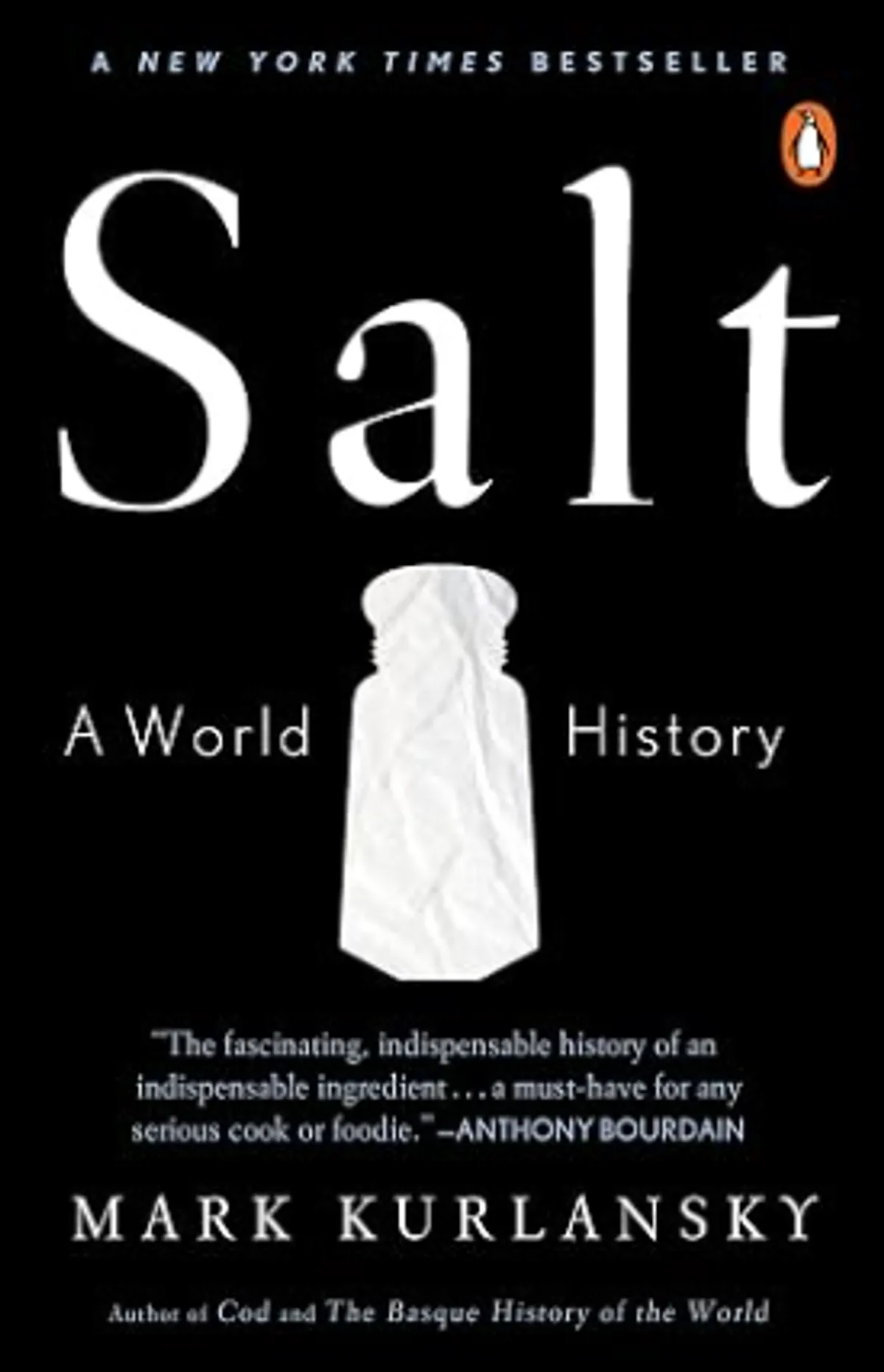
The book has gone viral, thanks to the internet (and Derman’s video), resulting in people picking up the book for themselves more than two decades later.
The sharing of information, resurfacing past work, and connecting with others (even if it is about salt) are some of the coolest aspects of the internet. Sophie Ellis-Bextor’s 2001 song, Murder on the Dancefloor went viral on TikTok in 2025 – more than 20 years later. It’s yet another example of an internet resurgence, and clearly the 2000s are making their comeback!
Have other objects defined history? The short answer is yes. Kurlansky has written historical books about food.
- “Cod: A Biography of the Fish that Changed the World” (1997) – the predecessor to “Salt: A World History”
- “The Big Oyster: History on the Half Shell” (2006)
- “MILK!: A Ten Thousand Year Food Fracas” (2018)
- “Salmon: A Fish, the Earth, and the History of Their Common Fate” (2020)
Historically significant objects go beyond the food industry, but it’s fascinating to think about how something that we interact with daily – even food – can be discussed at length.
The wheel. A piece of paper. A lighter. These are seemingly “ordinary” objects, yet each has evolved over time to make our lives easier while standing the test of time. Imagine if we never invented the wheel or figured out how to modernize it? Or even the humble lighter; the ability to carry a flame around in your pocket, ready whenever you need it.
The history of “things” is actually fascinating when you stop to think about it. Objects that seem so ordinary today often have surprisingly interesting stories behind them.
But, What About Pepper?
Derman joked in his video about whether or not Kurlansky would write a book about pepper next. However, Kurlansky claims that writing about ordinary commodities isn’t where he derives his success – storytelling is.
Writing about ordinary commodities isn’t where he derives his success – storytelling is.
Storytelling has been practiced throughout human existence. We tell stories to our friends and family, coworkers, peers, on the internet and podcasts, and even brands use it too. The list goes on.
How can something we can’t physically hold shape the way we think, feel, and remember?
What fascinates me isn’t the history of salt (albeit interesting). It’s the realization that ordinary things become extraordinary through storytelling.
Salt isn’t interesting because it's salt. It’s interesting because someone told its story. In a sense, Derman’s video is a form of storytelling about Kurlansky’s book.
We need storytelling in our lives. It provokes emotions and behavior and engages attention. Every day we create stories (for better or worse). Storytelling helps us process our thoughts and emotions, but what makes rhetoric (and storytelling) unique is that it’s impacted by our individual perspectives and unconscious biases. The tone, word choice, visuals and even speed at which we share information contribute to how a message is received.
And storytelling isn’t necessarily a one-way act. Stories are shared and interpreted through another person’s own experiences and perspectives. It’s almost like the game, “telephone”: one person starts with a message, and then by the end of the line, it can sound completely different. Sometimes that change happens unintentionally as information is interpreted and retold; other times, someone might intentionally choose to change or emphasize certain parts of the story. Either way, it's a useful microcosm for how storytelling operates.
This is part of what makes storytelling so powerful. It helps us connect with others, problem-solve, share knowledge and culture, and learn about ourselves and the world around us.
The takeaway from this story? The most interesting things are often hiding in plain sight. And now, thanks to one Instagram Reel and one 500-page book, I don't think I'll ever look at salt the same way again.

Written by
Maddy Loucas
Communications Specialist
