


A Marketer’s Tug-of-War: Viral Trends vs. Brand Safety
How brands and marketers can assess risk to create relevant campaigns

Maddy Loucas
Tuesday, August 11, 2026
MOVE AT THE SPEED OF CULTURE.
It’s what many marketing agencies promise they’ll do.
They are going to be on top of every trend. They are going to send you insights decks on what’s next. And, you can be sure, they are going to have an asset mocked up and ready for approval – they’ll call it a “reactive opportunity.”
But let’s break down this marketing mantra into its two parts: MOVE at the speed of CULTURE. Starting with the latter.
Is culture the same as a viral trend? Is culture a moment in time? Like, a sliver of a moment in time?
No. Culture is the context around a position in time. It’s informed by the zeitgeist, the mindset, and the state of people in the world. Culture is a collective experience that can’t be reduced to one thing.
Participating in culture means reading the room, like you’ll see JBL and McDonalds doing with their marketing strategies.
What about moving? Is moving posting content? Is it “breaking things” for the sake of taking action?
It can be. But just because you flinched doesn’t mean you moved. Brands are ships that need steering. They need to know the current, the winds, and the destination. A jump scare viral moment isn’t going to turn the tides.
A panel of CMOs spoke at Cannes about what it looks like to “ditch traditional brand safety” and “lean into authenticity.” They argue audiences want more, so creative risks are necessary.
We can hear the tension. “But, we need to move at the speed of culture. It’s in our DNA!”
So when can a brand participate in a trend? And, when does it not make sense for the ship you are steering?
We take three examples of recent trending moments and share how marketers can navigate the tension, and what their assessments might have looked like behind the scenes.
🟥 Flag on top of Empire State Building
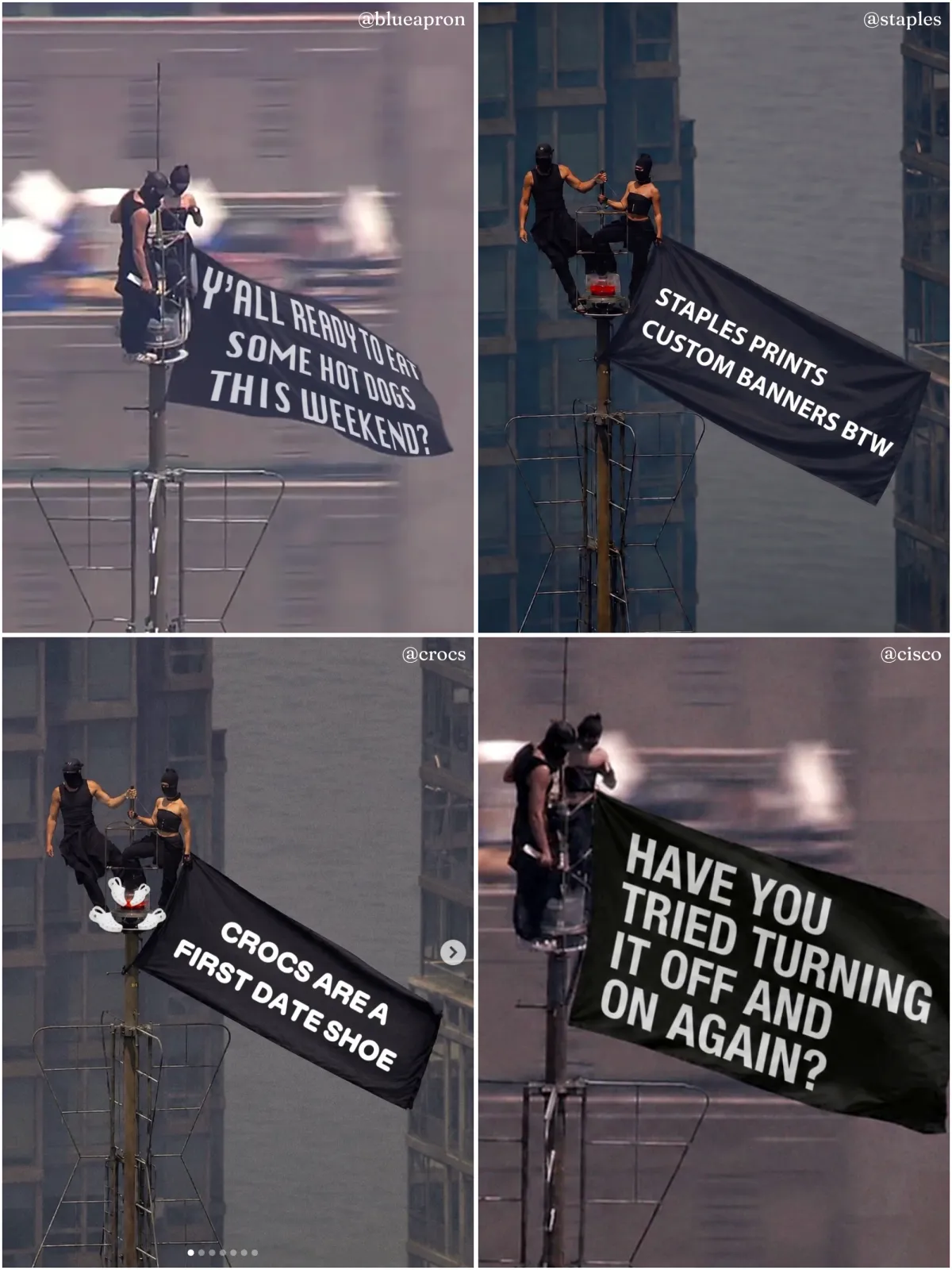
Situation: Two climbers and romantic partners scaled to the top of the Empire State Building, unveiling a banner before climbing down to a lower ledge. There one partner got down on a knee, and the two left – and were arrested – as an engaged couple. It was breaking news, but failed to break the internet. Though, not for lack of trying as brand flags were raised all over the Instagram feed.
Hate to put it this way, but overall this trend should have been a red flag.
The climb itself was unsafe and illegal. We don’t need to plaster a brand here. But, Blue Apron, Staples, Crocs and Cisco are just some of the brands that jumped onto the viral trend.
Did the Staples one make me chuckle, yes. Did brands need to participate? Not really. We have a sea of brands here racing to an arbitrary finish line disguised as culture.
Run that back.
Did brands need to participate?
Not really.
But could they?
There’s always an argument for it, and that argument becomes an assessment of risk. Take the Empire State Building account. First of all, they were there. This breaking news took place at a building that just so happens to position itself as perpetually online. So what did they do?
They did participate, in their own way. They used a photo of an engagement, and they encouraged those engagements to stay on the observation deck - please!
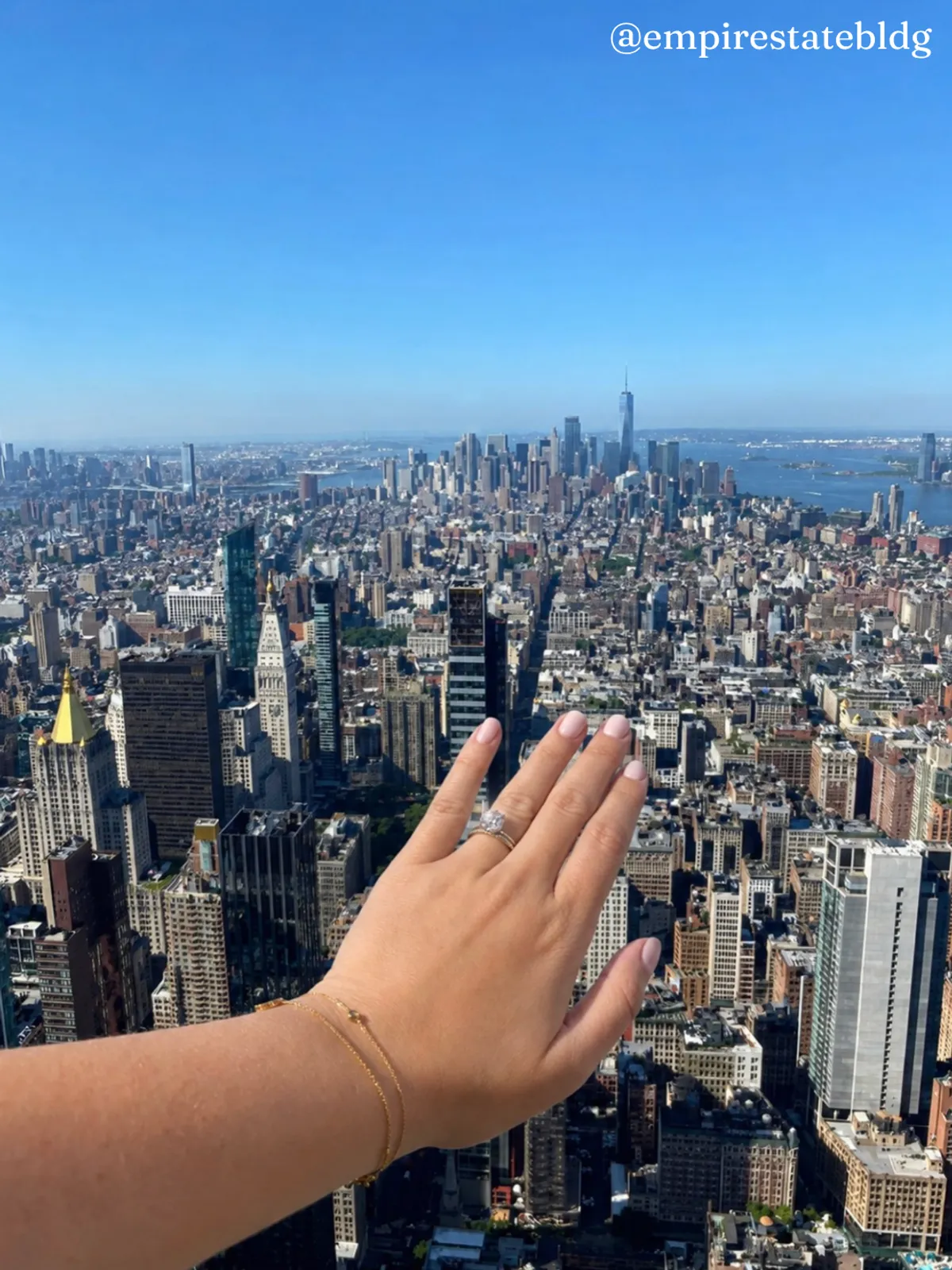
In the back room, there was likely a discussion about what to do here. It couldn’t be ignored, but they also couldn’t be so outwardly opportunistic. By posting something, it took the heat off. People didn’t need to keep following to see what the account would do. The trend was acknowledged in their own way, with two thumbs up for brand safety.
🟩 My Netflix Documentary
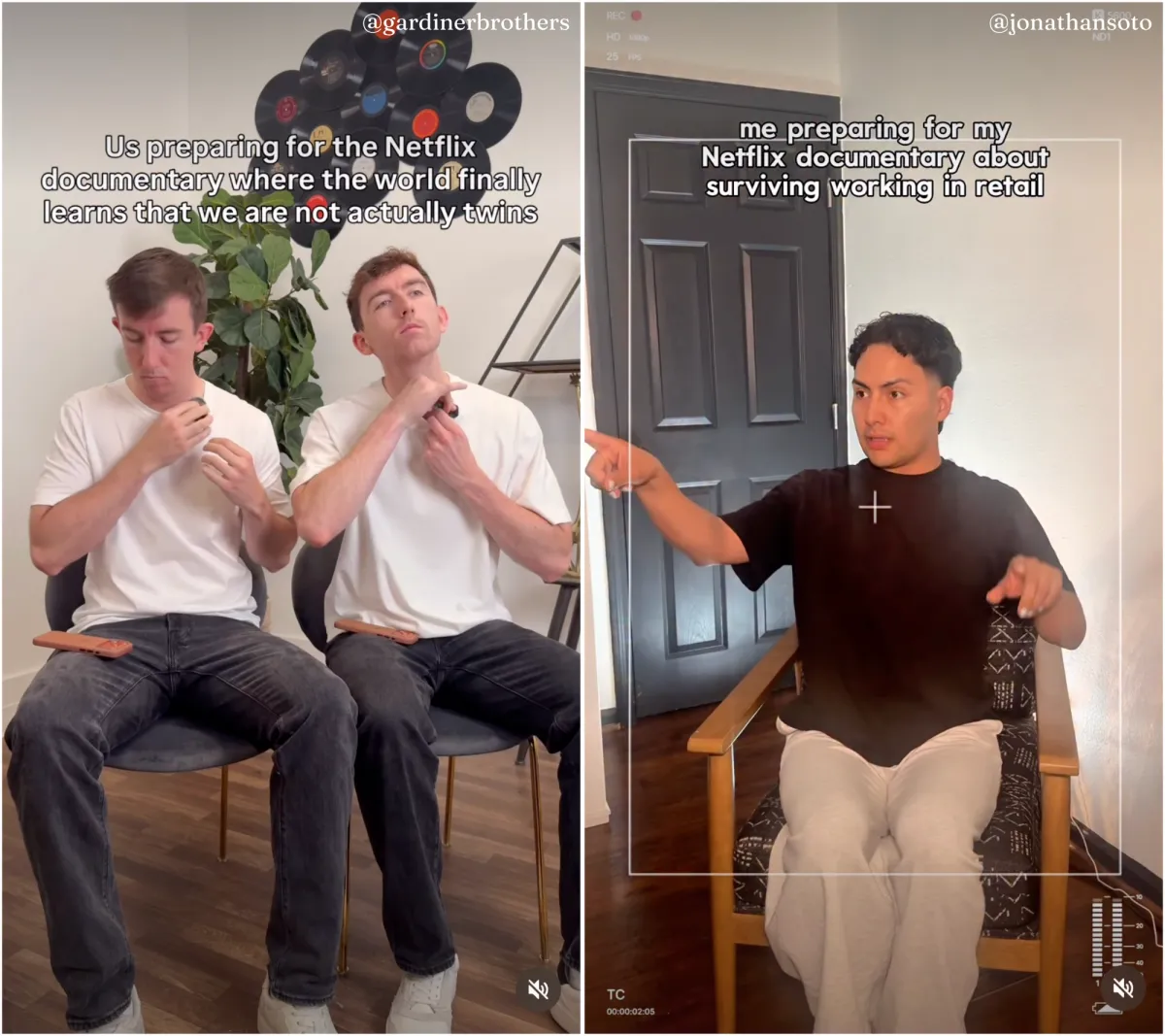
Situation: “Preparing for my Netflix Documentary” burst out as a social media trend in July 2026. Here a person walks into the frame, adjusts their seat, fiddles with their microphone, and glances around at producers off-camera. The content replicates Netflix’s recognizable formula.
And, the text overlay gives the audience the punchline.
This is a green flag. Going ahead and calling “Action.”
The idea behind this piece of content feels a bit more like culture. Since the pandemic, the documentary genre has expanded. They are low risk and cost effective to produce. Audiences are spending more time watching this genre on streaming services. And, the swing to niche interests over mass people-pleasing content, gives you never ending must-watch lists and deep dive pieces saying “I didn’t know I needed this.”
The relevance of this trend is in the punchline. It’s a brand’s chance to say what it is that makes people care about them so much or what they are such an expert in that they could be the subject of a documentary. Referencing Netflix, even though it technically is a brand name in and of itself, is the part that makes the content click. Similar to how you might tell a story to your friend, it’s the detail (a Netflix documentary specifically) that paints the picture and makes the story credible. It’s simple, relatable, and now viral.
The trend works at scale. By nature, this content is low budget and easy to produce. And, like culture, it started with and gained momentum by real people.
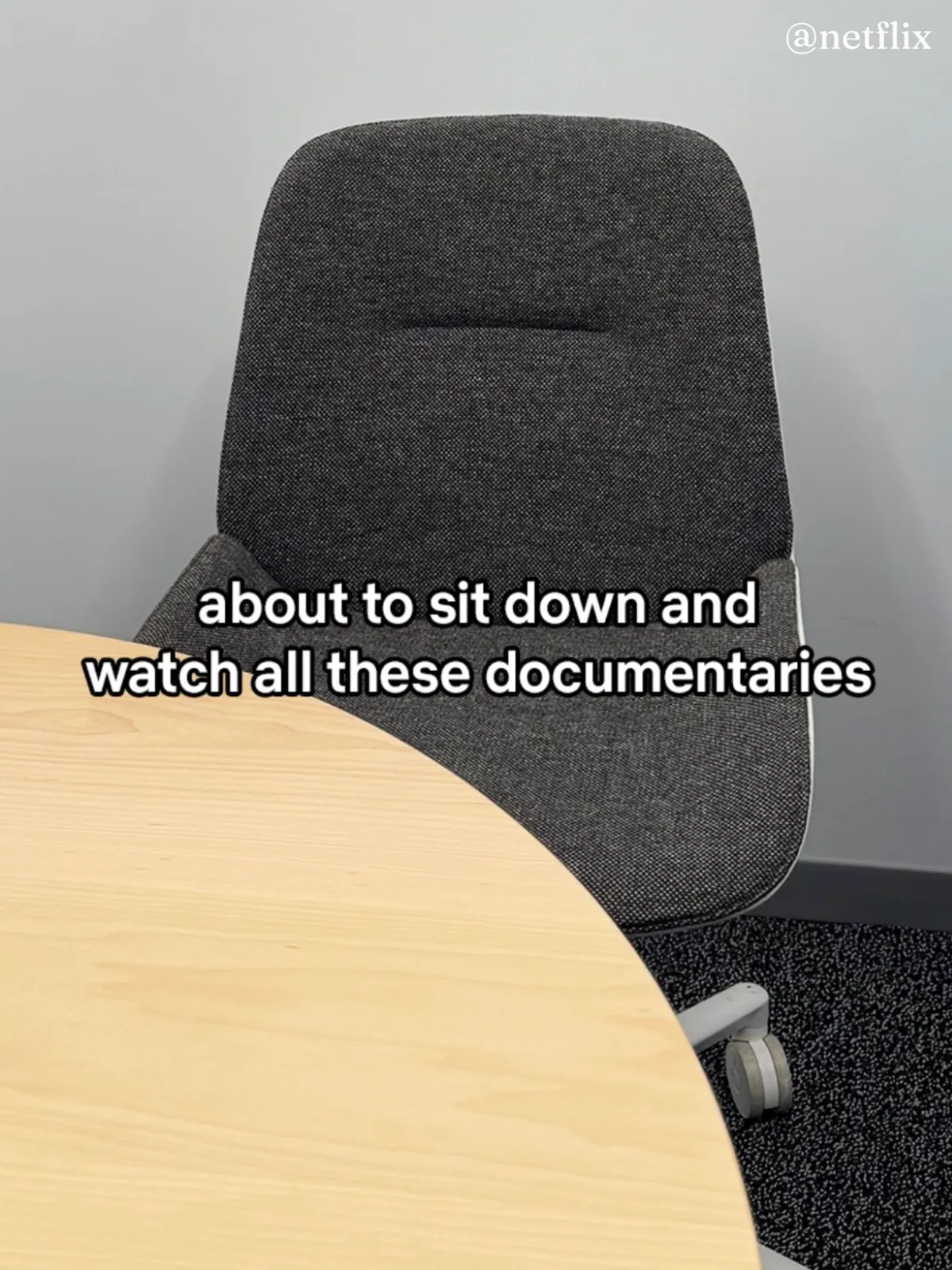
Netflix cleverly chimed by posting a photo of an empty chair, stating they were “about to sit down and watch all of these documentaries.” This fueled the fire and gave that feel good moment to people who participated – they see me!
This content has also worked for small businesses like Aldo’s Coffee Company in Greenport, New York who shared a post in the same style.
The stars aligned at this particular moment for Aldo’s as they recently released a short documentary on YouTube about their journey as business owners.
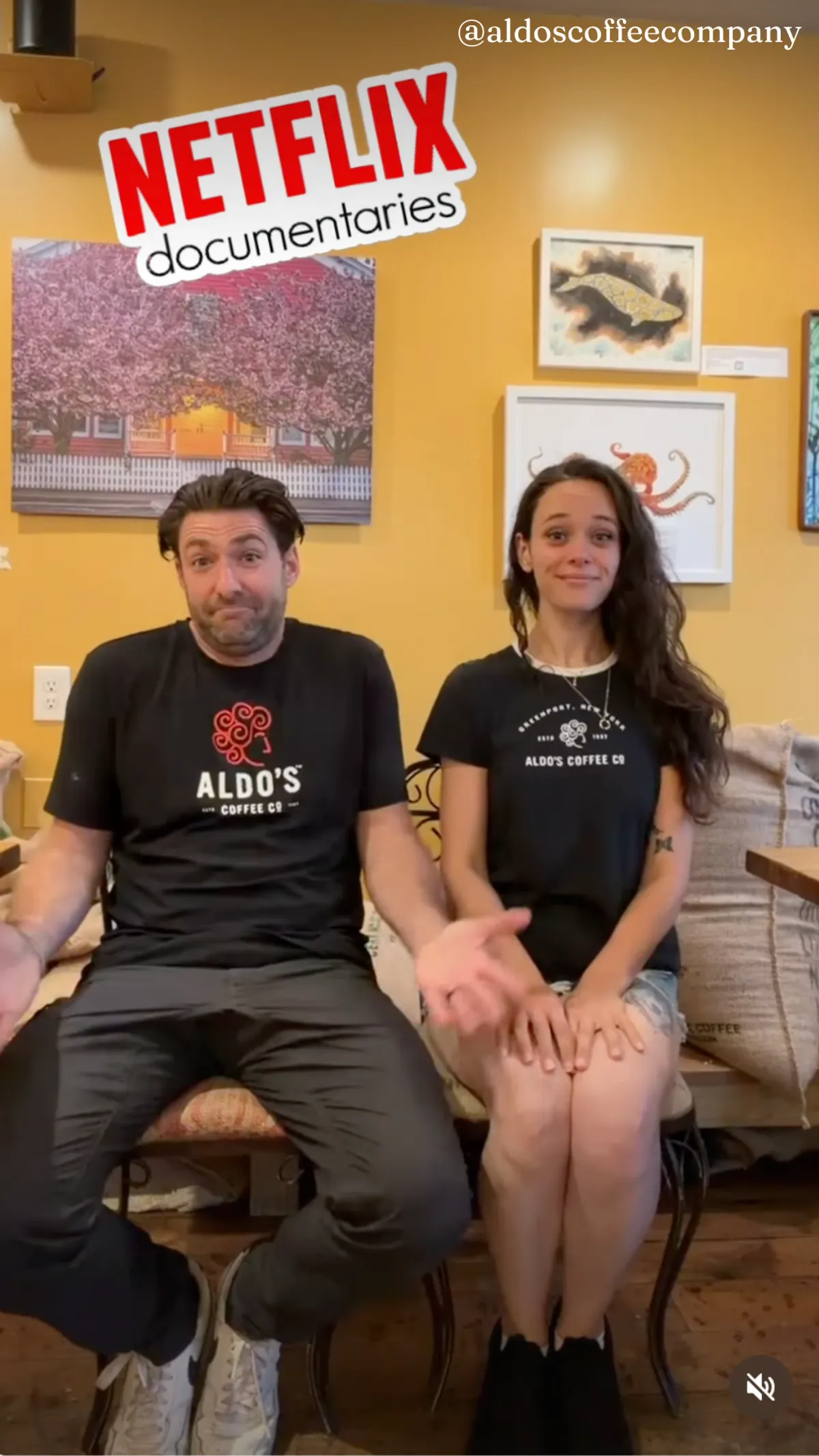
Call it serendipity. Or call it prepared. When you are building your own story, good things happen.
🟫 Content Formats
Situation: If there’s anything else we hear, it’s that the platforms are always changing — whether that’s meaningfully or superficially is another discussion. Either way, the platforms aren’t static. New features are released; new ways of publishing content are born.
Exploring new content formats is our beige flag.
Take Instagram carousels alone. Brands are posting multiple slides with extended text or graphics. Hold the dots and slide to speed through a stop-motion story has become a popular way to have users engage (like from Indianapolis Motor Speedway, Rhode Island FC, Bose, and Nutella). And now, unique captions can be added to each carousel slide - though if you’ve seen this in the wild, the changing captions can cause a bit of whiplash!
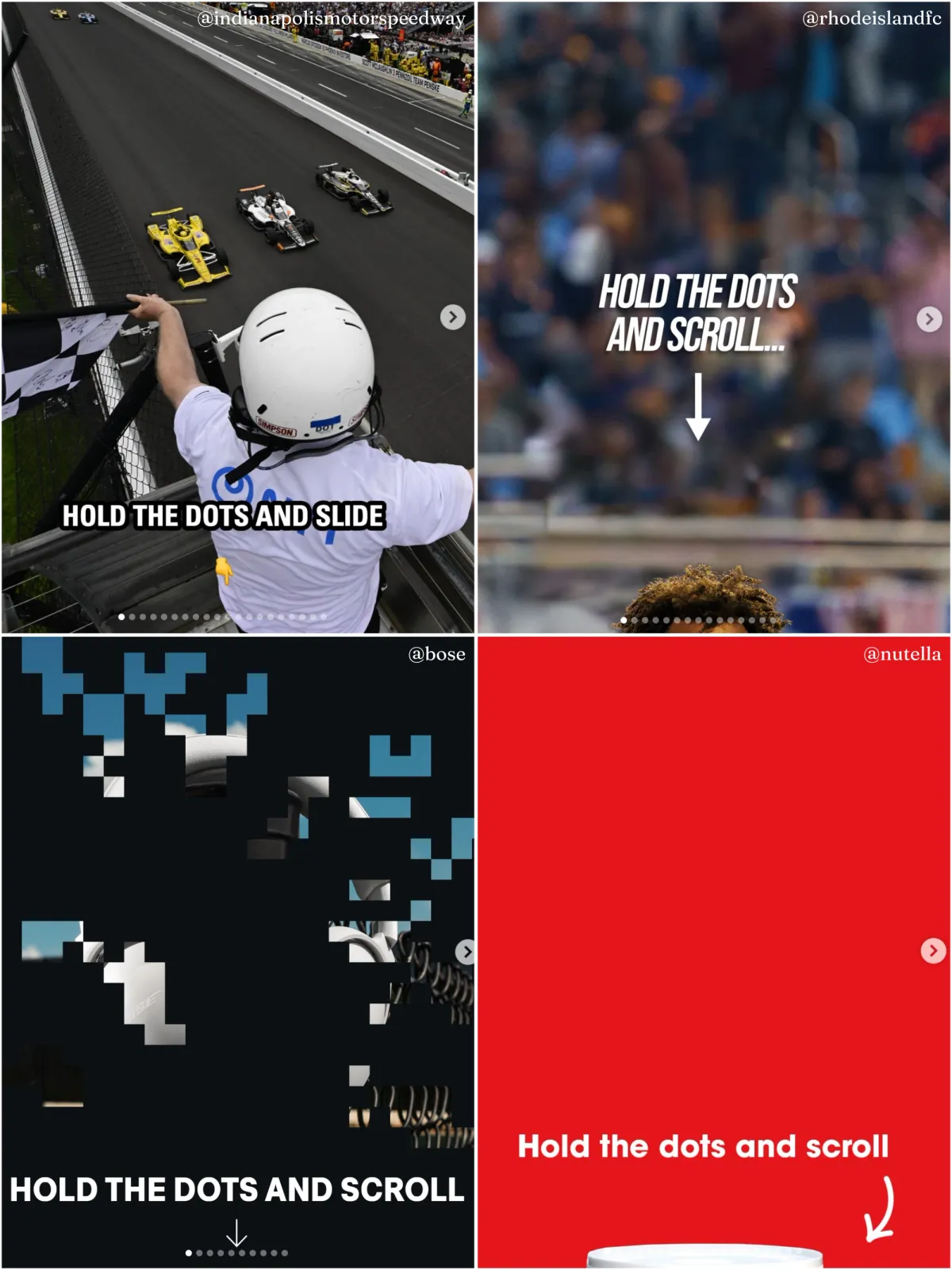
These are things brands should keep trying them. But, don’t equate testing a new content format with moving at the speed of culture.
Takeaways for Assessing Viral Trends and Brand Safety:
- Situational awareness is key. Marketers need to ask: Why is this trending? How did it come to be? Is my brand aligned at the core?
- A risk is only a risk. It’s not an automatic ding. You can make a judgement call, and it may play out just fine (or it may not).
- Moving at the speed of culture requires understanding where we are in time and taking action that helps steer your brand. Don’t get jump scared by a promise made up of jargon.
- Be open to testing different formats. Learning what works is part of the job. But, at the end of the day, its brand and audience alignment that moves the needle.

Written by
Maddy Loucas
Communications Specialist
